

Canada’s cannabis innovation landscape is experiencing a seismic shift as a new wave of technology startups races to commercialize THCP—a rare cannabinoid reportedly up to 33 times stronger than THC in binding affinity to CB1 receptors. These ventures are positioning the country at the forefront of next-generation cannabis science, merging advanced extraction technologies, precision biotechnology, and artificial intelligence to unlock therapeutic and recreational applications that were previously impossible.
The emergence of THCP-focused startups represents more than incremental product development; it signals a fundamental transformation in how Canada’s cannabis sector approaches innovation. While traditional players focused on cultivating and distributing conventional THC and CBD products, this new cohort is engineering proprietary biosynthesis methods, developing novel consumption formats, and creating sophisticated analytical platforms that could redefine global cannabis standards.
For investors, the opportunity lies in backing companies solving complex scientific challenges with significant commercial potential. Entrepreneurs will discover competitive dynamics, partnership opportunities, and regulatory considerations shaping market entry strategies. Policymakers gain insights into an emerging sector requiring thoughtful oversight that balances innovation with public safety. This analysis examines the pioneering Canadian startups developing THCP technologies, their scientific approaches, funding trajectories, and the regulatory environment enabling—or constraining—their growth. Understanding these dynamics is essential for anyone engaged with Canada’s evolving cannabis economy.
What Makes THCP Different From Traditional Cannabis Products
Tetrahydrocannabiphorol, or THCP, represents a significant departure from the cannabinoids Canadians have come to know through traditional cannabis products. Discovered only in 2019 by Italian researchers, THCP features a molecular structure that sets it apart in a crucial way: its alkyl side chain contains seven carbon atoms, compared to THC’s five. This seemingly minor structural difference translates into profound implications for how the compound interacts with the human endocannabinoid system.
Scientific studies suggest THCP binds to CB1 receptors—the primary cannabinoid receptors in the brain—with approximately 30 times greater affinity than delta-9-THC. This enhanced binding capacity means users may experience effects at significantly lower doses, though research into THCP’s full pharmacological profile remains in early stages. Preliminary reports indicate potentially stronger psychoactive effects and longer duration compared to conventional THC products, though rigorous clinical trials are still needed to substantiate these observations.
For Canadian entrepreneurs and investors, THCP presents a distinct technological and market opportunity. Unlike the saturated CBD market or established THC segment, THCP occupies novel territory that demands innovative extraction techniques, precise dosing methodologies, and sophisticated product formulations. The compound’s potency requires advanced analytical testing capabilities—areas where Canadian cannabis technology firms have demonstrated considerable expertise.
This scientific novelty also creates regulatory complexity, as Health Canada continues evaluating how THCP fits within existing frameworks governing cannabis derivatives. Startups working with THCP aren’t simply entering the cannabis market; they’re pioneering a new category that intersects chemistry, biotechnology, and consumer product development. The technical challenges of isolating, standardizing, and safely delivering THCP at appropriate concentrations demand solutions that extend beyond traditional cannabis cultivation, positioning this sector as genuinely innovation-driven rather than commodity-focused.
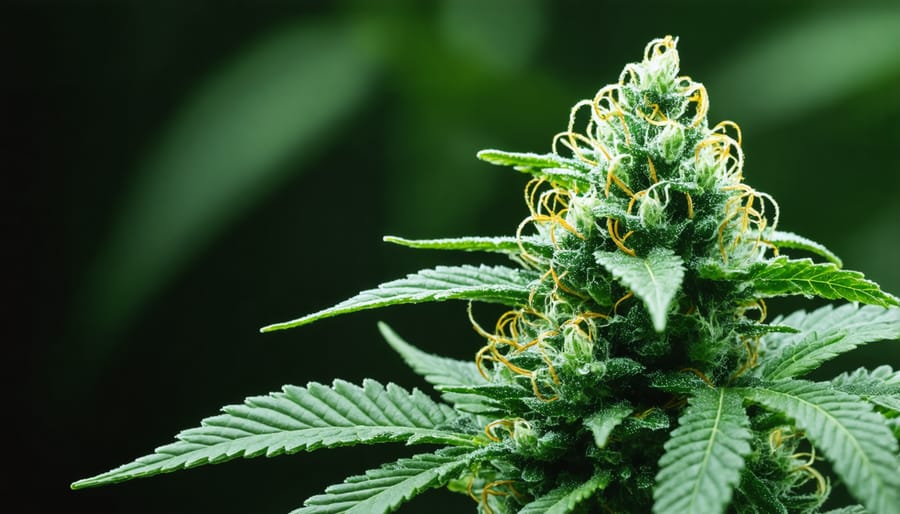
The Regulatory Landscape: Why Canada Is Uniquely Positioned
Canada’s position as the first G7 nation to legalize recreational cannabis in 2018 has created a sophisticated regulatory infrastructure that now provides unexpected advantages for startups developing THCP products. Under Health Canada’s Cannabis Act and accompanying regulations, THCP—while only recently identified—falls within the existing legal framework as a naturally occurring cannabinoid, avoiding the regulatory limbo that plagues innovators in other jurisdictions.
Health Canada’s approach to novel cannabinoids emphasizes scientific evidence and harm reduction rather than blanket prohibition. THCP products must meet the same rigorous quality standards as THC products, including testing requirements, packaging restrictions, and distribution controls. This clarity enables Canadian startups to develop compliant products confidently, whereas American companies navigate a patchwork of state laws complicated by federal prohibition, and European firms face inconsistent regulations across member states.
The regulatory advantage extends beyond mere legality. Canadian companies benefit from established pathways for clinical research, licensing processes refined over five years of legal cannabis operations, and a maturing supply chain built on compliance. Startups can leverage existing Good Production Practices facilities, streamlined provincial distribution networks, and consumer databases that already understand cannabis products—significantly reducing time-to-market compared to international competitors starting from scratch.
Moreover, Canada’s pharmaceutical-grade regulatory standards for cannabis have become an international benchmark. Countries developing their own frameworks frequently reference Canadian regulations, positioning compliant Canadian THCP products for easier international expansion. The dual advantage of domestic market access and export potential creates a competitive moat that attracts investment capital.
However, challenges remain. Health Canada’s conservative approach to product claims and marketing restricts how companies communicate THCP’s unique properties, requiring startups to balance innovation with regulatory compliance. The licensing process, while established, remains resource-intensive, favouring well-capitalized ventures. Yet for entrepreneurs willing to navigate these requirements, Canada offers what few markets can: legitimate pathways to commercialize cutting-edge cannabinoid science within a recognized legal framework, transforming regulatory clarity into competitive advantage.
Canadian Startups Leading the THCP Innovation Wave
Extraction and Synthesis Technologies
Canadian startups are pioneering advanced extraction and synthesis technologies to produce THCP at commercial scales, addressing one of the sector’s most significant technical challenges. Unlike abundant cannabinoids such as THC and CBD, THCP exists in trace amounts in cannabis plants—typically less than 0.1%—making traditional extraction methods economically unviable.
Several companies are developing proprietary chromatography techniques that selectively isolate THCP from plant material with unprecedented efficiency. These methods often combine supercritical CO2 extraction with specialized preparative liquid chromatography systems, achieving purity levels exceeding 95%. Vancouver-based innovators have reported breakthrough protocols that reduce isolation costs by nearly 60% compared to initial industry benchmarks.
Simultaneously, biosynthetic approaches are gaining traction. Startups are engineering yeast and bacteria strains to produce THCP through fermentation, similar to methodologies proven successful for other rare cannabinoids. This biosynthesis route promises scalability advantages and consistent product specifications, though regulatory pathways remain complex.
Patent strategies have become crucial competitive differentiators. Leading companies are filing comprehensive intellectual property portfolios covering not only their extraction protocols but also downstream purification steps and quality control methodologies. Several startups have secured provisional patents on novel catalyst systems that enhance conversion efficiency during chemical synthesis from precursor cannabinoids.
The race to achieve cost-effective, scalable THCP production represents a defining technological frontier. Companies that successfully navigate both the technical challenges and patent landscape will likely establish dominant market positions as regulatory frameworks mature and commercial demand expands.

Testing and Quality Assurance Platforms
As THCP emerges as a compound of significant interest in Canada’s cannabis industry, specialized testing and quality assurance platforms have become essential infrastructure. Several innovative startups are developing sophisticated analytical equipment and protocols specifically designed to identify, measure, and verify the safety of THCP in cannabis products.
Leading this space are companies creating advanced chromatography systems tailored for THCP detection. These platforms utilize high-performance liquid chromatography (HPLC) and mass spectrometry technologies capable of distinguishing THCP from the more common THC variants. Given THCP’s molecular similarity to other cannabinoids, precise identification requires specialized methodologies that Canadian innovators are pioneering.
Toronto-based analytical firms are developing portable testing devices that enable real-time potency measurement, addressing the critical need for on-site verification in production facilities. These innovations help licensed producers maintain compliance with Health Canada regulations while ensuring product consistency and consumer safety.
The sector also includes startups creating comprehensive laboratory information management systems (LIMS) that track THCP testing throughout the supply chain. These platforms integrate blockchain technology to provide immutable records of test results, enhancing transparency and building consumer trust. As THCP products gain market traction, robust testing infrastructure becomes paramount for industry credibility and regulatory adherence.

Consumer Product Developers
Several innovative Canadian startups are pioneering consumer-ready THCP products, navigating complex formulation challenges and regulatory requirements to bring this potent cannabinoid to market. These companies are developing sophisticated delivery mechanisms ranging from precision-dosed sublingual tinctures to nanoemulsion-enhanced beverages that improve bioavailability and onset times.
Toronto-based MoleculaCan has emerged as a formulation leader, utilizing proprietary encapsulation technology to stabilize THCP molecules and ensure consistent dosing across their product line. Their water-soluble formulations address the cannabinoid’s naturally lipophilic properties, enabling faster absorption and more predictable effects for consumers.
Vancouver’s Elevated Botanicals focuses on premium positioning, combining THCP with complementary cannabinoids and terpenes to create entourage effect-optimized products. Their branding emphasizes transparency, with detailed lab testing results and education-forward packaging that demystifies THCP for curious consumers.
These product developers face unique challenges beyond typical cannabis startups, including limited consumer awareness and higher regulatory scrutiny. Success requires balancing scientific rigour with compelling startup marketing strategies that educate while building trust. As THCP gains mainstream recognition, these early movers are establishing brand equity and consumer loyalty that could prove invaluable as the market matures and competition intensifies.
Investment Trends and Market Projections
Venture capital activity surrounding THCP cannabis technology remains in its nascent stage, yet early indicators suggest growing investor interest in this emerging cannabinoid sector. While comprehensive market data specific to THCP remains limited due to the compound’s recent emergence, industry analysts estimate the broader novel cannabinoid market in Canada could reach $500 million by 2027, with THCP representing a significant growth segment.
Toronto-based venture capital firm Canopy Growth Ventures partner Sarah Chen notes that “THCP represents the kind of differentiated startup opportunities that attract early-stage investors—novel science, clear regulatory pathways in Canada, and substantial upside potential.” However, she cautions that investors are closely monitoring clinical evidence and consumer acceptance before committing substantial capital.
Current investment patterns show seed and Series A funding rounds typically ranging from $2 million to $8 million for Canadian THCP-focused startups. This conservative approach reflects investor caution around regulatory uncertainties and market education challenges. Vancouver angel investor Michael Tran explains, “We’re seeing a ‘wait-and-see’ sentiment where investors want proof of concept—both scientifically and commercially—before scaling their commitments.”
Market projections suggest THCP could capture 3-5% of Canada’s cannabis market by 2026, translating to approximately $150-250 million in annual revenue. This positions THCP as a premium segment within Canada’s $5 billion cannabis economy, appealing particularly to consumers seeking specific therapeutic effects or enhanced experiences.
Industry analyst Rebecca Morrison from Cannabis Market Intelligence predicts consolidation: “The THCP space will likely see major acquisitions by established licensed producers within 24-36 months. These startups are developing valuable extraction and formulation IP that larger players will want to integrate.”
Despite current modest investment levels, experts anticipate accelerated venture capital activity once Health Canada provides clearer regulatory guidance and consumer demand validation emerges, potentially triggering significant capital inflows by late 2025.
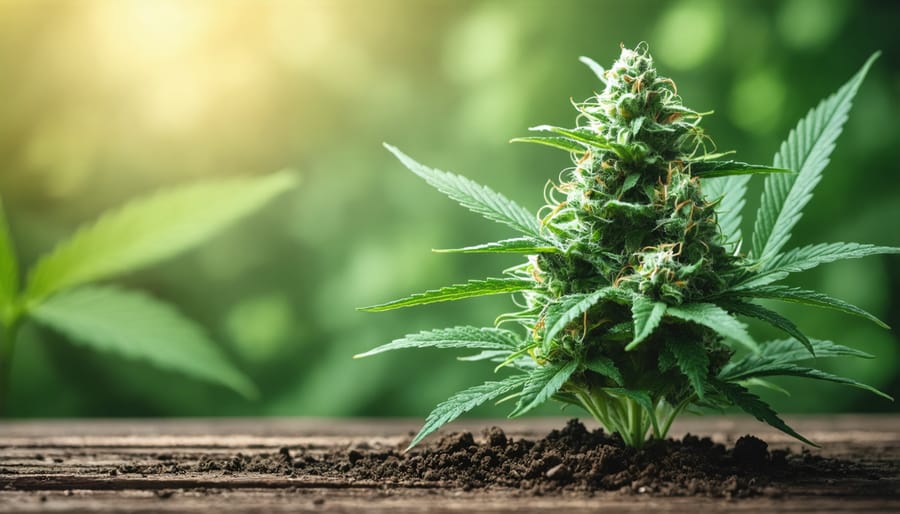
Technical Challenges Startups Must Overcome
Canadian THCP cannabis tech startups face formidable technical hurdles that could determine their success or failure in this nascent market. Understanding these challenges is essential for investors evaluating opportunities and entrepreneurs planning their market entry strategies.
**Extraction and Isolation Complexity**
THCP occurs naturally in cannabis at concentrations below 0.1%, making extraction extraordinarily difficult. Unlike THC or CBD, which can be isolated using established methods, THCP requires sophisticated chromatography techniques and specialized equipment that can cost upwards of $500,000. Many startups struggle to achieve consistent yields, with extraction efficiency remaining a primary bottleneck. The molecular similarity between THCP and other cannabinoids further complicates purification processes, requiring multiple refinement stages that increase production costs significantly.
**Scalability Barriers**
Transitioning from laboratory-scale production to commercial manufacturing presents substantial obstacles. Current extraction methods that work for small batches often fail at industrial volumes, forcing companies to invest heavily in process optimization. The scarcity of specialized talent familiar with minor cannabinoid production exacerbates these challenges, as does the limited availability of cannabis cultivars bred specifically for higher THCP content.
**Standardization and Quality Control**
Without established industry standards for THCP potency testing, startups face inconsistent analytical results across different laboratories. This variability undermines product reliability and complicates regulatory compliance. Developing validated testing protocols requires significant capital investment and collaboration with analytical chemistry experts—resources many early-stage companies lack.
**Safety Research Gaps**
Perhaps most critically, limited peer-reviewed research on THCP’s long-term effects creates uncertainty around safe dosing guidelines and potential contraindications. This knowledge gap forces startups to conduct proprietary safety studies, adding years and millions of dollars to development timelines while navigating Health Canada’s evolving regulatory expectations for novel cannabinoids.
The Competition: International Players and Market Dynamics
Canadian THCP startups face formidable competition from well-capitalized American and European players who benefit from more mature cannabis markets and advanced extraction technologies. U.S. companies, particularly those in California and Colorado, have established sophisticated cannabinoid isolation techniques and robust distribution networks that Canadian firms are working to match. Meanwhile, European competitors, especially from Switzerland and the Netherlands, leverage pharmaceutical-grade manufacturing expertise that positions them strongly in the precision cannabinoid sector.
However, Canadian companies possess distinct advantages that create compelling partnership opportunities. Their reputation for regulatory compliance, scientific rigour, and quality assurance makes them attractive collaborators for international firms seeking credible entry points into North American markets. Several Canadian THCP innovators are already forging strategic alliances with European research institutions and American distributors, combining Canadian research capabilities with international market access.
Cross-border expansion strategies remain complex, given varying THCP regulations worldwide. Progressive Canadian startups are adopting a multi-pronged approach: establishing white-label manufacturing partnerships, licensing proprietary extraction technologies, and pursuing B2B supply agreements rather than direct consumer sales. This methodology mirrors successful patterns seen in other sectors revolutionizing Canadian markets through strategic international collaboration.
The competitive landscape suggests that Canadian THCP ventures will likely succeed through specialization—focusing on specific aspects like extraction purity, analytical testing services, or pharmaceutical-grade production—rather than attempting to dominate entire value chains independently.
What This Means for Canada’s Cannabis Tech Ecosystem
Canada’s emergence as a cannabis innovation hub positions THCP research and commercialization as a strategic opportunity to reinforce the nation’s competitive advantage in the global market. The cannabis technology in Canada sector has already demonstrated its capacity for scientific leadership, and THCP-focused startups represent the next evolution in cannabinoid innovation.
These ventures carry significant implications for economic development. As startups scale their analytical capabilities, extraction technologies, and product development platforms, they create high-value employment opportunities for chemists, biotechnologists, regulatory specialists, and data scientists. This knowledge-intensive job creation strengthens Canada’s position in the cannabis value chain, moving beyond commodity production toward proprietary technologies and intellectual property development.
The THCP sector also showcases Canada’s unique regulatory advantage. While federal legalization provides the foundational framework, provincial variations allow startups to test different commercialization approaches, generating valuable market intelligence. This regulatory sophistication attracts international attention from jurisdictions considering their own frameworks, positioning Canadian companies as consultants and technology exporters.
However, maintaining this leadership requires strategic support. Investment in university-industry partnerships, streamlined regulatory pathways for novel cannabinoids, and targeted commercialization funding will determine whether Canada captures the global THCP opportunity or watches competitors gain ground. The startups profiled here represent early movers in a market projected to expand significantly—their success will validate Canada’s approach to cannabis innovation and establish templates for future cannabinoid discoveries.
The convergence of THCP research, cannabis technology, and Canadian innovation presents a compelling but time-sensitive opportunity. Canadian startups operating in this space stand at a critical juncture where early market leadership could translate into sustained competitive advantage—but only if they navigate regulatory complexity, capital constraints, and international competition effectively.
For entrepreneurs, the next 12-24 months will determine whether Canada’s regulatory framework evolves to support THCP commercialization or remains restrictively cautious. Founders should prioritize robust regulatory affairs capabilities, invest in peer-reviewed research partnerships, and build scalable extraction technologies that can adapt to changing compliance requirements. The startups that survive will be those treating regulatory engagement as a core competency, not an afterthought.
Investors evaluating this sector must balance the substantial upside potential against regulatory uncertainty and extended commercialization timelines. Due diligence should emphasize teams with demonstrated regulatory navigation experience, proprietary technology with defensible intellectual property, and realistic paths to revenue that don’t depend on regulatory miracles. Early-stage capital deployed now could capture significant value, but patience and risk tolerance are prerequisites.
Policymakers face the challenge of protecting public health while enabling innovation. Health Canada’s approach to minor cannabinoid regulation over the next year will signal whether Canada intends to lead or follow in this emerging market. Streamlined approval pathways for research, clear commercialization guidelines, and evidence-based scheduling decisions will determine if Canadian THCP startups thrive domestically or relocate to friendlier jurisdictions.
The window for establishing market leadership remains open, but it’s closing. Stakeholders who act decisively—and collaboratively—will shape whether Canada becomes the global THCP innovation hub or merely watches from the sidelines.