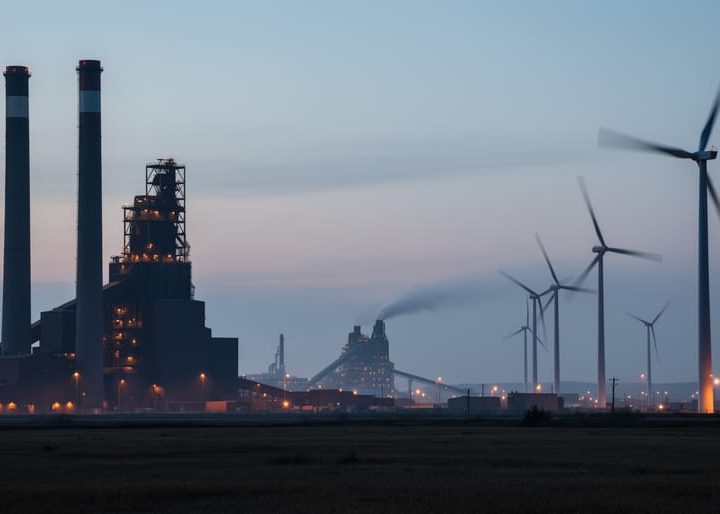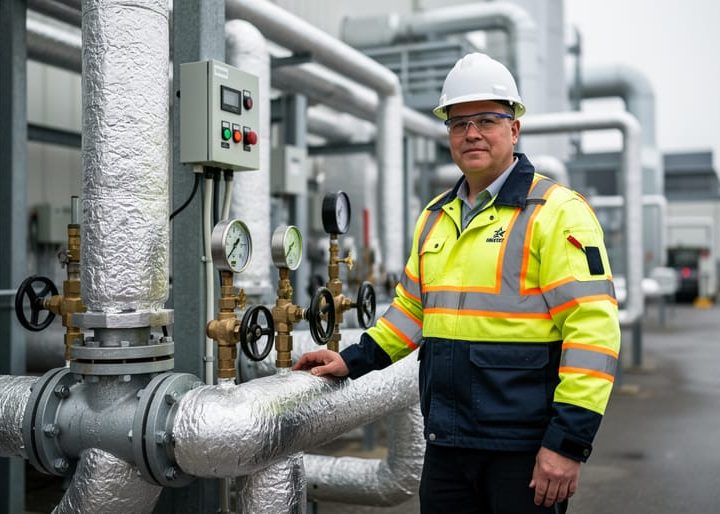

The three primary greenhouse gases driving climate change and international policy action are carbon dioxide (CO₂), methane (CH₄), and nitrous oxide (N₂O). Together, these gases account for the vast majority of anthropogenic warming, each with distinct sources, atmospheric lifespans, and warming potentials that shape how governments and businesses approach emissions reduction.
Carbon dioxide dominates climate conversations because of its sheer volume. Fossil fuel combustion, industrial processes, and deforestation pump roughly 37 billion tonnes of CO₂ into the atmosphere annually. While it has a lower warming potential per molecule than the other two gases, CO₂ persists for centuries, making legacy emissions a long-term challenge. Methane, though shorter-lived at roughly 12 years in the atmosphere, traps 28 times more heat than CO₂ over a century. Agriculture, oil and gas operations, and waste management release about 580 million tonnes of methane each year. Nitrous oxide rounds out the trio with 265 times the warming power of CO₂ and a lifespan exceeding 100 years, primarily from agricultural fertilizers and industrial activities.
For Canadian entrepreneurs and investors, understanding these distinctions matters. Each gas presents unique technological and business opportunities. Climate tech startups across the country are developing carbon capture solutions, methane detection systems, and precision agriculture tools that reduce nitrous oxide from fertilizer use. Policymakers increasingly design regulations around the specific characteristics of each gas, creating targeted incentives and compliance requirements that favour innovation in measurement, reduction, and removal technologies.
Carbon Dioxide (CO₂): The Primary Target of Global Climate Action

Canadian Tech Solutions for CO₂ Monitoring and Reduction
Canada’s entrepreneurs are building a robust ecosystem of tools to measure, verify, and reduce industrial carbon dioxide output. Companies like CarbonCure Technologies have scaled globally, embedding their mineralization process in concrete production to permanently sequester CO₂ while strengthening the final product. As of 2026, CarbonCure’s technology operates in over 500 facilities worldwide, demonstrating how Canadian tech innovation can achieve both environmental and commercial returns.
Montreal-based Svante has attracted substantial venture capital for its solid-sorbent carbon capture systems designed for heavy industry. Their modular filters capture CO₂ from industrial exhaust streams at lower cost and energy intensity than traditional amine-based methods, with deployment projects underway in cement and steel production facilities across North America. Investment in point-source carbon capture reached record levels in 2026, with Svante securing a $200 million financing round that underscores investor confidence in scalable decarbonization technologies.
Emissions tracking platforms have matured into mission-critical infrastructure for corporations facing mandatory disclosure requirements. Toronto-based Watershed and similar ventures provide AI-powered software that ingests operational data, calculates Scope 1, 2, and 3 emissions, and generates audit-ready reports aligned with international standards. These platforms integrate machine learning models that identify emission hotspots and recommend reduction strategies, transforming climate reporting from a compliance burden into a strategic advantage.
Direct air capture remains capital-intensive, yet Calgary’s Carbon Engineering continues to refine its technology, partnering with energy majors to build commercial-scale facilities that pull CO₂ directly from ambient air. The company’s DAC plants produce synthetic fuels and enable permanent geologic storage, positioning Canada as a leader in negative-emissions infrastructure. Government incentives, including enhanced tax credits for carbon capture projects, have accelerated deployment timelines and attracted international partners seeking proven decarbonization pathways.
Methane (CH₄): The Fast-Acting Climate Disruptor
Innovation in Methane Detection and Mitigation
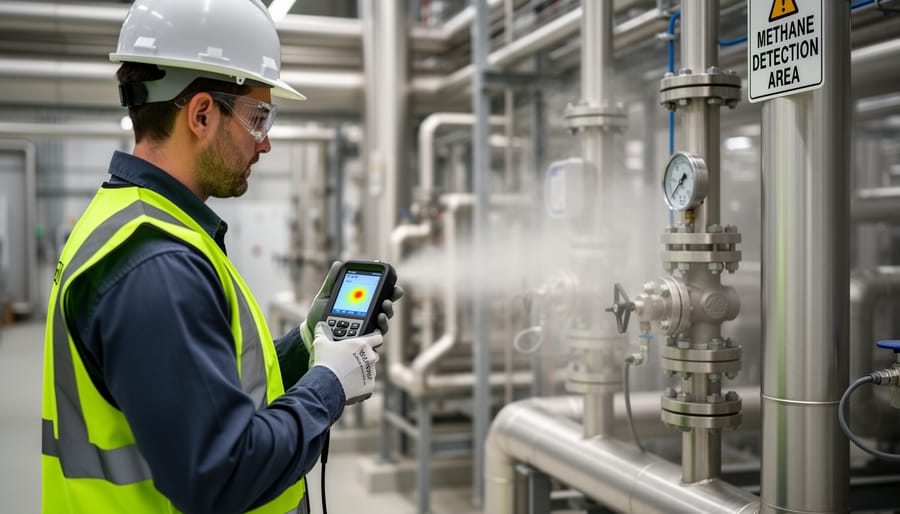
Canadian companies are commercializing methane detection technologies that combine satellite imaging, ground-based sensors, and aerial monitoring to pinpoint leaks with unprecedented precision. GHG Sat, a Montreal-based firm backed by advanced research initiatives, operates a constellation of satellites that detect methane plumes as small as 100 kilograms per hour from oil and gas facilities, landfills, and agricultural operations. The company’s 2026 data shows it identified over 15,000 methane emission events globally, with operators addressing 40% of detected leaks within 90 days of notification.
Alberta’s energy sector has become a testing ground for real-time methane monitoring Technologies deploys continuous monitoring devices at wellheads and compressor stations, transmitting data every 15 minutes to cloud platforms where algorithms flag anomalies. The company reports its systems reduce methane emissions by 60-80% compared to quarterly manual inspections, cutting both environmental impact and revenue loss from fugitive gas. Suncor Energy’s pilot deployment of 500 Qube devices across northern Alberta facilities eliminated an estimated 12,000 tonnes of methane emissions in 2025.
Drone-based inspection services are replacing dangerous manual checks at remote infrastructure. Calgary-based Sharper Shape operates autonomous drones equipped with optical gas imaging cameras that survey pipeline rights-of-way and storage facilities, detecting leaks invisible to the human eye. A single drone can inspect 50 kilometers of pipeline in one flight, generating thermal and optical data processed by machine learning models trained to distinguish methane signatures from water vapor and other gases.
Agriculture presents distinct challenges that Canadian AgTech ventures are addressing through soil and barn monitoring. Ontario’s CowClimate installs IoT sensors in dairy operations to track enteric methane from cattle, correlating emissions with feed composition and animal health data. Farmers receive mobile alerts when emission levels spike, often indicating digestive issues that affect both climate impact and productivity. Saskatchewan’s Agrology combines soil moisture sensors with AI models to optimize irrigation and manure application timing, reducing conditions that generate methane from anaerobic decomposition. Their 2026 pilot with 200 farms demonstrated 22% reductions in field-level methane emissions while maintaining crop yields, proving mitigation doesn’t require sacrificing agricultural output.
Nitrous Oxide (N₂O): The Overlooked Agricultural Challenge
AgTech Solutions Targeting Nitrous Oxide Reduction
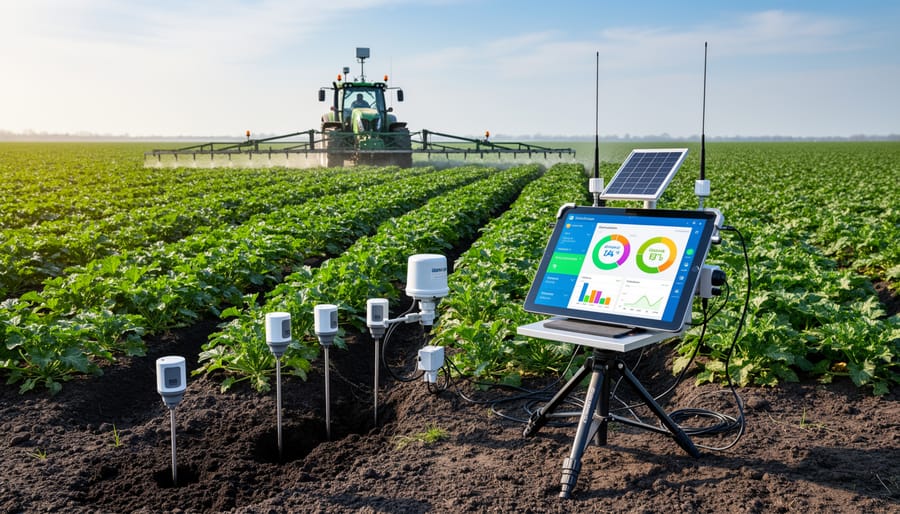
Canadian agricultural technology companies are developing targeted solutions to cut nitrous oxide emissions through three main approaches: variable-rate fertilizer application, real-time soil sensors, and biological alternatives to synthetic nitrogen.
Saskatchewan-based CropX Technologies has deployed soil monitoring systems across more than 500 farms, using wireless sensors to measure nitrogen levels at multiple depths. Their platform reduces fertilizer application by 15-20% by identifying exactly where and when crops need nitrogen, preventing the over-application that leads to N₂O release. Early adopters report cost savings of $30-45 per acre while cutting emissions by an estimated 18%.
Precision Ai, a Manitoba startup, uses drone imagery combined with machine learning to create field-specific nitrogen maps. Their system analyzes crop health indicators invisible to the naked eye, allowing farmers to apply fertilizer only where deficiencies exist rather than blanket-spraying entire fields. The company secured $8 million in Series A funding in early 2026, partly driven by demand from large agricultural operations seeking verified emission reductions for carbon credit programs.
Ontario’s NitroCycle is taking a biological approach, developing microbial treatments that colonize plant roots and convert atmospheric nitrogen into plant-available forms. Their field trials show a 30-40% reduction in synthetic fertilizer needs without yield loss. Canada’s cleantech sector has backed the company with $12 million in venture funding, recognizing that biological nitrogen fixation eliminates the chemical process responsible for most agricultural N₂O.
The federal government’s $150 million AgriClimate Solutions Fund, launched in 2025, has accelerated adoption of these technologies. Twenty-three Canadian companies received grants to deploy emission-reduction systems on working farms, creating real-world data that validates both the environmental benefits and economic viability of precision nitrogen management at commercial scale.
International Policy Frameworks Governing the Three Gases
International climate agreements have evolved to treat CO₂, methane, and nitrous oxide with strikingly different levels of urgency and specificity. The Paris Agreement established economy-wide emission reduction targets that technically cover all three gases, but implementation mechanisms reveal a clear hierarchy. Countries report CO₂ emissions with granular sector breakdowns and annual updates, while methane and N₂O often appear as aggregate figures with less frequent verification. This reporting gap isn’t merely bureaucratic, it reflects the political reality that CO₂ dominates public discourse and carries the most established monitoring infrastructure.
The 2021 Glasgow Climate Pact marked a turning point for methane. Over 150 countries signed the Global Methane Pledge, committing to reduce methane emissions by 30% below 2020 levels by 2030. Unlike the Paris Agreement’s flexible nationally determined contributions, this pledge sets a specific numerical target for a single gas. Canada joined as a founding signatory, obligating federal and provincial governments to tackle emissions from oil and gas operations, agriculture, and waste management. The pledge created immediate demand for satellite monitoring systems, leak detection technologies, and verification platforms, a market opportunity that Canadian aerospace and sensor companies have rapidly exploited.
Nitrous oxide receives far less targeted attention despite its potency. No standalone international agreement addresses N₂O the way the methane pledge does. Instead, it appears within broader agricultural sustainability frameworks and industrial emission guidelines. The UN Environment Programme’s 2024 report on reactive nitrogen called for integrated nitrogen management policies, but this remains aspirational rather than binding. Canada reports N₂O emissions through its National Inventory Report submitted under the UN Framework Convention on Climate Change, yet provincial agricultural policies rarely include specific N₂O reduction mandates. This policy vacuum presents both challenge and opportunity, entrepreneurs developing precision fertilizer technologies face less regulatory pressure but also fewer subsidies compared to their counterparts in methane mitigation.
Canada’s implementation of these frameworks creates distinct pathways for tech innovation. Federal carbon pricing applies uniformly to CO₂-equivalent emissions, but complementary programs target each gas differently. The Emissions Reduction Fund prioritizes methane reduction projects in the oil and gas sector, offering up to 75% cost-sharing for detection and elimination technologies. Agriculture and Agri-Food Canada’s On-Farm Climate Action Fund supports practices that reduce N₂O, though uptake remains modest compared to carbon sequestration programs. These sector-specific funding mechanisms reflect how research and policy translate international commitments into tangible investment opportunities.
The differential treatment of these three gases shapes climate finance flows. Carbon offset protocols overwhelmingly focus on CO₂ removal and avoidance, with established methodologies and liquid markets. Methane reduction projects are gaining traction as voluntary carbon markets develop specific protocols, but pricing remains inconsistent. N₂O reduction credits exist but trade at lower volumes with limited buyer demand. Canadian cleantech ventures pursuing methane solutions can access both compliance and voluntary markets, while N₂O-focused innovations face a narrower monetization path unless bundled with broader agricultural carbon programs.
The Business Opportunity: How Canadian Tech is Capitalizing on GHG Reduction

Canada’s greenhouse gas reduction market represents a $2.3 billion opportunity for domestic tech companies, driven by regulatory mandates requiring all federally regulated entities to report CO₂, methane, and nitrous oxide emissions by 2027. This compliance pressure has accelerated tech investment across monitoring platforms, carbon accounting software, and verification systems, with Canadian venture capital deploying $847 million into climate tech during the first half of 2026 alone.
Montreal-based GHGSat secured $215 million in Series D funding to expand its satellite constellation for methane leak detection, now monitoring over 3,400 industrial sites globally. The company’s success demonstrates how Canadian firms are leveraging domestic expertise in remote sensing and AI to build scalable solutions addressing all three gases. Calgary’s Carbon Engineering partnered with Occidental Petroleum on a $1.1 billion direct air capture facility in Texas, proving that Canadian innovation in CO₂ removal can attract substantial international capital and corporate partnerships.
The agricultural technology segment shows particular momentum in nitrous oxide reduction. Ontario’s CropX raised $38 million to deploy soil sensors and precision nitrogen application systems across 4.2 million acres in North America. Saskatchewan’s Olds College Smart Farm has become a testing ground for emission-tracking technologies, attracting partnerships with John Deere and Nutrien to commercialize solutions that reduce N₂O releases by up to 40 percent while maintaining crop yields.
Regulatory drivers extend beyond compliance. Canada’s updated Greenhouse Gas Offset Credit System now generates tradable credits for verified reductions in all three gases, creating revenue streams for tech-enabled projects. Industrial emitters purchased $340 million in offset credits during 2025, with methane capture and agricultural N₂O reduction projects commanding premium pricing due to their measurable, additional impact on atmospheric warming.
Corporate partnerships are reshaping the funding landscape. Enbridge invested $95 million in four Canadian startups developing methane detection and hydrogen production technologies. TD Bank established a $500 million climate tech fund targeting emissions monitoring and carbon accounting platforms that serve its corporate clients’ sustainability reporting needs. These strategic investments connect startups directly to customer networks and distribution channels, accelerating commercialization timelines and scaling opportunities for solutions addressing CO₂, CH₄, and N₂O simultaneously.
Understanding the distinct characteristics and impacts of carbon dioxide, methane, and nitrous oxide is no longer an academic exercise, it’s a strategic necessity for anyone navigating the climate tech landscape. Each of these three greenhouse gases presents unique challenges and opportunities, from CO₂’s sheer volume to methane’s immediate warming potential to nitrous oxide’s agricultural complexity. Effective climate solutions demand differentiated approaches that address each gas according to its specific properties and sources.
Canada’s position in this evolving sector is increasingly strong. The country’s combination of research expertise, entrepreneurial energy, and regulatory frameworks supportive of climate innovation has created fertile ground for startups developing next-generation monitoring systems, carbon capture technologies, and precision agriculture tools. As international policy continues to tighten, with mandatory reporting requirements expanding and carbon pricing mechanisms maturing, the demand for these solutions will only accelerate.
The next decade will likely see policy frameworks become more granular, setting distinct reduction targets for each of the three greenhouse gases rather than treating all emissions identically. This evolution creates clear opportunities for specialized technologies and sector-specific expertise. Canadian entrepreneurs and investors who understand the science behind CO₂, CH₄, and N₂O, and can translate that knowledge into scalable solutions, are well-positioned to capture value in a market that’s projected to grow substantially through 2030 and beyond.